What Is Onsite Calibration?
Picture you're running an essential assembly line, and you find a drift in your pressure analyses. Quiting the line to deliver instruments out for service can indicate hours-- or perhaps days-- of lost productivity. That's where onsite calibration comes in. Rather than eliminating gauges, transmitters, or flow meter devices and sending them off to a laboratory, a calibration technician takes a trip to your center, brings customized devices, and executes tool calibration right beside your process. The advantage? Marginal interruption and confidence that measurements remain within tolerance.
Why Onsite Calibration Matters
Calibrating tools isn't just a checkbox in an upkeep schedule. It's the backbone of quality control and security. When your sensing units, gauges, and testers slip out of specification, you risk product problems, conformity offenses, and also security events. Onsite calibration straight attends to these threats.
Decreasing Downtime with Onsite Services
Downtime can be crippling. Every min a line sits still is lost revenue and a blow to consumer commitments. Onsite calibration allows your team schedule solution during planned maintenance windows or even throughout short breaks between shifts. The professional establishes a short-lived calibration bench in your plant, calibrates instruments-- like a solidity tester or a torque wrench-- and proceed without requiring a return trip.
Making Certain Accuracy Under Real Conditions
Back in the laboratory, conditions are controlled: temperature, humidity, and moisture are kept consistent. However your plant flooring may be hotter, dustier, or filled with particle impurities. Onsite calibration occurs right where the tools lives, revealing how environmental elements genuinely affect performance. You obtain a calibration that mirrors genuine operating problems, not just an idealized atmosphere.
Common Instruments Calibrated Onsite
A knowledgeable service technician can deal with a vast array of gadgets without ever leaving your site. Right here are a few typical examples:
- Pressure transmitters and assesses Flow meters (ultrasonic, turbine, magnetic) Thermometers and temperature probes Dampness analyzers and meters Torque wrenches and torque wrenches with electronic readouts Hardness testers
Whether it's a simple no adjustment or a complete ISO-compliant recalibration, the service technician brings recommendation standards and performs checks right at the device's installing location.
The Process of Onsite Calibration
Even though it appears fast, onsite calibration complies with an organized technique to make certain every action fulfills strenuous criteria.
1. Initial Assessment
The technician reviews your calibration history, gadget specifications, and performance logs. They'll inquire about any recent issues-- such as unforeseen temperature spikes or unpredictable sensing unit habits-- and prepare the sequence of checks as necessary.
2. Calibration Procedure
Next comes the heart of the solution. For a flow meter, this may involve contrasting volumetric or mass circulation to a certified recommendation. For a pressure sensor, a calibrated stress source and an electronic referral gauge are made use of to use known pressures across the instrument's array. The specialist documents discrepancies, readjusts the gadget if possible, or flags it for repair.
3. Confirmation and Documentation
After changes, each tool is retested to verify it satisfies tolerances. The technician creates a certificate that includes before-and-after information, uncertainty computations, and traceability to national criteria. You win documents that satisfies inner audits and governing evaluations.
Tips for Smooth Onsite Calibration
Preparing for a calibration visit can make the distinction in dimensional inspection services between a quick, efficient work and a day of unanticipated delays. Right here are some best techniques:
- Label your tools plainly with asset tags and previous calibration days. Provide safe, clear accessibility to calibration points and remove any kind of protective covers. Ensure environmental controls-- like temperature and moisture-- are stable. Have a get in touch with individual all set to answer questions about current upkeep or process adjustments. Strategy calibration throughout nonpeak hours or scheduled maintenance windows to decrease production influence.
Real-World Example: Keeping a Brewery Flowing
At a midsize brewery, unexpected drift in their co2 pressure regulators began triggering frothing issues on the bottling line. Sending regulators out would have called for batch hold times and added cleansing cycles-- setting you back thousands in thrown away beer and labor. Rather, they scheduled onsite calibration with a mobile laboratory unit. The professional detected a refined leak, altered the regulators under actual operating stress, and lessened downtime. The brewery saved both item and time, and they booked quarterly onsite check outs moving forward.
Non-Destructive Calibration: A Smart Choice
Some tools-- like vital security sensing units-- should remain installed to keep system honesty. A nondestructive method implies there's no need to disconnect or disassemble piping, electronics, or user interfaces. Specialists utilize adapters and clamps to apply test signals or stress, calibrate the gadget, and leave the system intact. It's much faster, more secure, and prevents the risk of introducing brand-new leaks or placement mistakes.
Choosing the Right Calibration Partner
Not all calibration providers use the very same level of solution. Look for a group that brings:
- Accreditation to identified criteria (ISO/IEC 17025) Experienced specialists learnt calibrating diverse instrument types Traceable recommendation standards for temperature level, pressure, torque, and flow Fast turnaround and flexible organizing Clear, extensive documentation
Final Thoughts
Purchasing onsite calibration settles with reduced downtime, boosted measurement self-confidence, and structured conformity. Whether you're enhancing a chemical activator's dampness analyzers or fine-tuning torque wrenches on a production line, having a calibration lab come to you makes life easier and procedures smoother. For a trustworthy partner that brings the laboratory to your door, look into EML Calibration as a source for specialist onsite solutions.
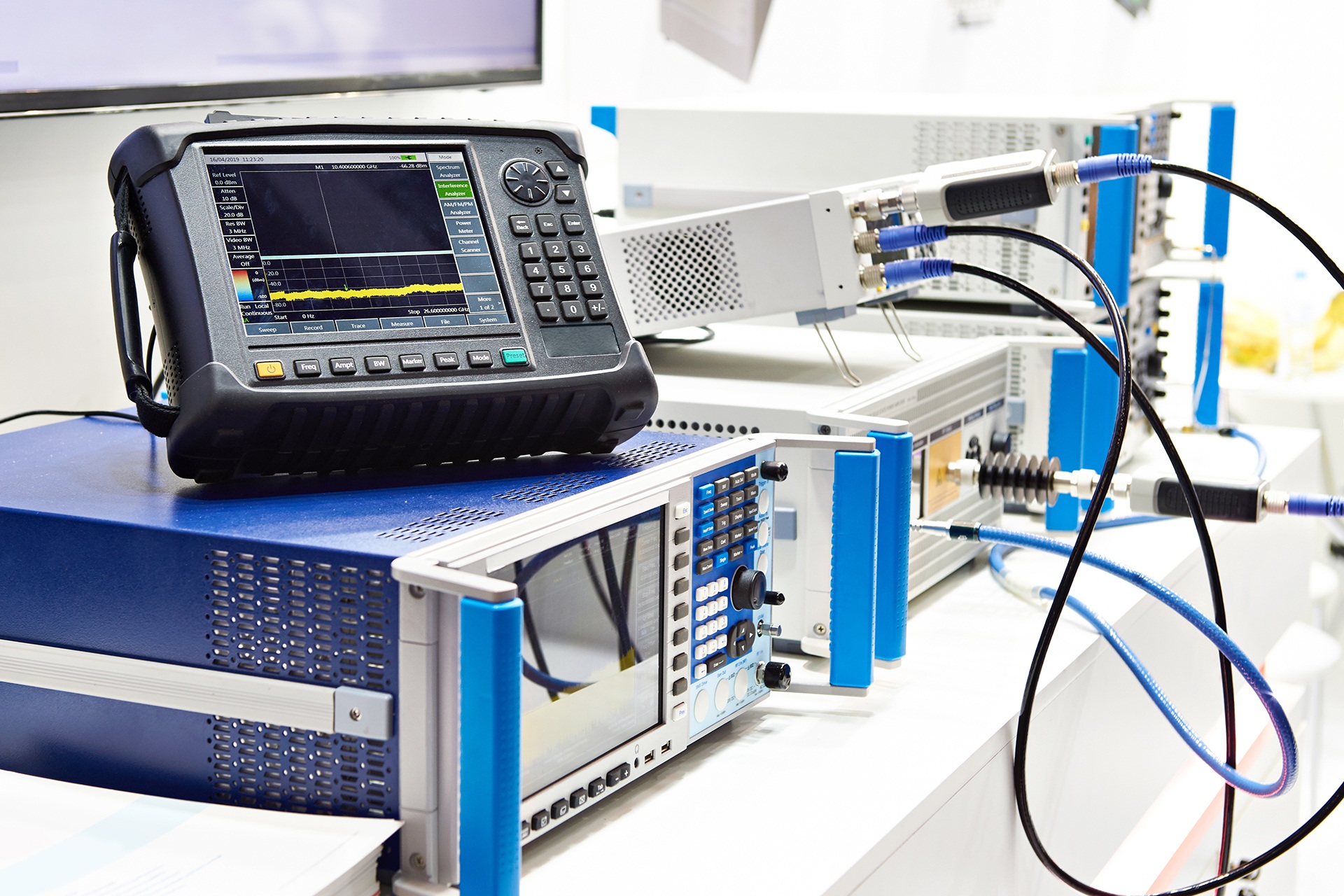
Name: EML Calibration
Address: 998 Elm Hill Pike, Nashville, TN 37210, United States
Phone: (888) 846-4614
Website: https://www.emlcalibration.com/